

How Washington State BAC Limits Affect Sentencing

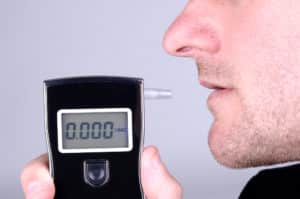
When someone gets charged with DUI in Washington, one number usually becomes the center of attention: their BAC. People often ask, “What does my BAC mean for my sentence?” That’s a fair question. Washington’s laws use Blood Alcohol Concentration as a key factor in setting minimum penalties, but the number on the report isn’t the whole story.
BAC levels matter. So do things like prior convictions, the details of the traffic stop, and whether the test results can even be trusted. Once those pieces are explained, many people feel less lost and more prepared to make decisions about their case.
Washington’s Legal BAC Limits
Washington’s legal BAC limits depend on the type of driver:
- Most adult drivers: 0.08% or higher is considered over the legal limit
- Commercial drivers: 0.04% or higher
- Drivers under 21: 0.02% or higher
These limits look simple on paper. In real life, it’s more complicated. BAC is a snapshot in time. Breath or blood tests might happen well after driving. A rising BAC curve can show a higher number later than it was at the actual time behind the wheel. Testing equipment can also fail or be used incorrectly.
Because of this, a smart defense doesn’t just accept the number. It asks how that number came to be.
Why Washington Uses BAC to Shape Sentencing
Washington law treats higher BAC levels as higher risk. The state’s DUI sentencing scheme draws a major line at 0.15%. BAC below that line is treated differently than BAC at or above it.
In general:
- BAC below 0.15% leads to a lower mandatory minimum
- BAC of 0.15% or higher triggers steeper minimums
- Refusing a breath test can also increase penalties
Judges rely on a structured Washington DUI sentencing grid that combines BAC level with prior offenses to determine the range of possible sentences. That grid guides decisions on jail time, fines, license suspension, and ignition interlock requirements.
Still, even within those ranges, there’s room for argument and negotiation. BAC is an important data point, not a final verdict.
How BAC Fits into First, Second, and Third DUI Cases
BAC doesn’t exist in a vacuum. Washington’s DUI laws look at both the BAC level and the person’s history.
Broadly:
- A first DUI with a lower BAC still carries mandatory penalties, but there’s often more flexibility in how the case is resolved.
- A first DUI with a high BAC (0.15%+) raises the floor on jail and other penalties.
- A second or third DUI within the lookback period combines the higher BAC category with prior offenses, so the sentencing grid becomes much less forgiving.
That’s one reason people facing multiple DUI offenses often feel like the odds are stacked against them. Yet even in those cases, BAC can be challenged, and the way the facts are presented to the court can change how the grid is applied in practice.
Testing Methods and Why Accuracy Matters
Most DUI cases in Washington rely on one of two types of testing:
- Breath tests (usually done at the station on an approved machine)
- Blood tests (often used in accident cases, refusals, or suspected drug-related DUIs)
Each method comes with rules that officers and labs must follow. When those rules aren’t followed, the reliability of the result comes into question.
Common issues include:
- Improperly maintained or calibrated machines
- Incomplete observation periods before the breath test
- Medical conditions like GERD or acid reflux
- Mouth alcohol from recent drinking or dental work
- Poor documentation of the blood sample chain of custody
If an attorney can show that the BAC number is unreliable or inadmissible, it may reduce the strength of the case and change the likely sentence. That’s especially important in high-BAC situations where the sentencing grid would otherwise demand harsher penalties.
How BAC Influences License Consequences
BAC doesn’t just affect what happens in court. It also triggers separate administrative actions on a driver’s license.
When BAC is reported at or above the legal limit, or when a driver refuses a breath test, Washington’s Department of Licensing may:
- Suspend or revoke the license for a set period
- Require ignition interlock as a condition of future driving
- Impose fees and reinstatement requirements
BAC level, prior incidents, and test refusal choices all influence how long someone might be off the road and what hoops they’ll have to jump through to get back to lawful driving.
These license consequences often move faster than the criminal case. Missing deadlines to contest them can limit options later, which is one reason early legal advice is so important.
What Judges Look at Beyond BAC
A judge doesn’t only look at one number. At sentencing, courts also consider:
- Driving behavior (weaving, speeding, collisions, or other risky actions)
- Whether anyone was injured or property was damaged
- The presence of passengers, especially children
- The driver’s criminal history and prior DUIs
- Steps taken toward treatment or counseling before sentencing
- Attitude, responsibility, and willingness to change
BAC is a major factor, but it’s one piece in a larger picture. Solid preparation—treatment records, character letters, a clear plan going forward—can sometimes soften how the sentencing grid is applied in practice.
How a DUI Attorney Can Help with a BAC-Driven Case
Because Washington’s laws are built around BAC levels, a big part of a DUI defense is knowing when to attack the number and when to focus on mitigation. Both approaches require experience.
An attorney may:
- Examine whether the stop and arrest were lawful
- Review calibration and maintenance records for breath machines
- Scrutinize blood test collection, handling, and lab procedures
- Work with experts to dispute or explain BAC results
- Prepare a mitigation package focused on treatment and public safety
That combination—challenging the evidence while showing the court a constructive path forward—is often what makes the difference between the harshest version of the sentencing grid and a more manageable outcome. This is why hiring an experienced criminal defense (DUI) attorney is critical to the outcome of your case.
Summary: BAC Matters, But It’s Not the End of the Story
Washington’s DUI system puts a lot of weight on BAC limits, especially the 0.08% and 0.15% thresholds. Those numbers drive the Washington DUI sentencing grid and shape both court and licensing consequences. But the process isn’t automatic, and the number isn’t beyond question.
Machines can fail. Procedures can be missed. Medical conditions can affect results. And even when the BAC is accurate, there’s still room to tell the full story of who you are and what you’re doing to address the situation.
If you or someone close to you is staring at a BAC number on a report and wondering what happens next, talking with an experienced DUI attorney can bring clarity and options when they feel hardest to find.
With a deep commitment to protecting his clients’ rights, Christopher Bugbee draws on 30 years of criminal law experience—both as a prosecutor and defense attorney. He’s earned top ratings from legal peers and clients alike on Avvo and is consistently ranked among the region’s top criminal defense attorneys.